Port Houston container guide
How Port Houston Drayage Works: Bayport, Barbours Cut, and Container Delivery
A practical overview for shippers, freight forwarders, 3PLs, and importers planning a container move through Houston.
Port drayage is the short-haul movement that connects an ocean container with its next stop—typically a warehouse, distribution center, customer facility, transload site, or rail ramp. The distance may be local, but the move depends on several connected decisions: terminal status, appointments, documents, chassis, cargo weight, delivery timing, and empty return.
Start with the right Port Houston terminal
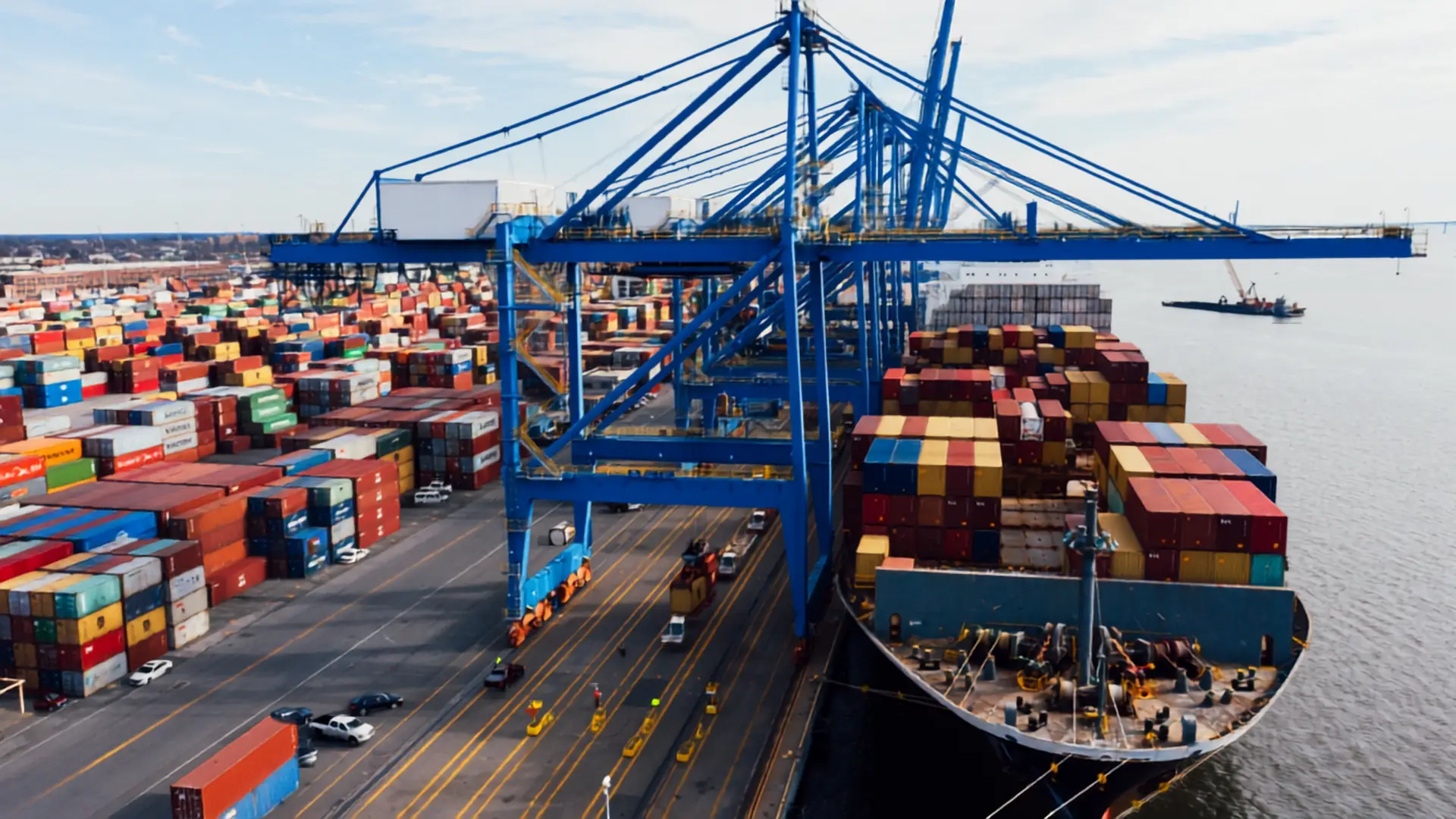
Port Houston operates two major container terminals: Bayport Container Terminal in Pasadena and Barbours Cut Container Terminal in La Porte. The shipping line, vessel call, and container record determine where a container is available or where an export should be delivered.
Before dispatch, the trucking team should confirm the terminal, container availability or export receiving window, holds, and appointment requirements. Port Houston provides current gate information, terminal cameras, hours, and appointment guidance in its official Container Terminal Gate Information.
The container drayage workflow
- Review the shipment.Confirm the container, terminal, cargo, weight, delivery location, timing, and special handling requirements.
- Check availability and holds.An import must be discharged and available, with customs, steamship-line, terminal, and payment holds resolved before pickup.
- Plan the terminal transaction.Port Houston uses its Lynx portal and Express Pass process for container-terminal transactions. The carrier confirms the appointment and gate details before arrival.
- Match the chassis and truck.Container size, cargo weight, legal limits, route, and delivery conditions determine the correct chassis and power unit.
- Complete delivery.Dispatch coordinates the terminal outgate, customer appointment, unloading, proof of delivery, and status updates.
- Return the empty or export equipment.The team verifies the approved return location, receiving status, cutoff, and any appointment needed to close the move.
Check daily chassis and empty acceptance before dispatch
Port Houston publishes a Daily Empty Container and Chassis Acceptance report for Bayport and Barbours Cut. It shows whether each terminal is accepting or releasing 20-, 40-, and 45-foot chassis by provider, along with empty-container acceptance by steamship line and container type.
Because terminal status can change, use the current Port Houston crane and trucker information and confirm the approved empty-return location with the steamship line before creating the Express Pass or assigning a driver.
Before dispatch, confirm:
- Bayport or Barbours Cut
- Chassis provider and size
- Steamship line, container size, and container type
- Whether the terminal is accepting or releasing the required equipment
- Approved empty-return location
- Express Pass, receiving window, cutoff, and last free day
Victory coordinates terminal timing, chassis selection, delivery requirements, and empty return for qualifying Houston container moves.
Appointments, availability, and free time
Port Houston identifies Express Pass as a required appointment for truck access to its container terminals. Its Lynx customer portal provides information about containers, vessels, and trucks moving through Bayport and Barbours Cut.
Container availability does not always mean the move is ready to dispatch. A unit may still have a customs, freight, terminal, documentation, or payment impediment. Delivery appointments and receiving hours also need to align with the terminal pickup.
Free time, demurrage, per diem, and dwell fees can make timing commercially important. Use the current steamship-line rules and Port Houston tariffs and fee guidance rather than relying on an older schedule.
Choose equipment around the complete shipment
A standard container move may use a tandem chassis, while heavier payloads can require specialized equipment. Victory reviews the full shipment before dispatch and maintains standard, tri-axle, and lightweight chassis configurations for qualifying moves.
Standard containers
Confirm the container size, verified cargo weight, chassis availability, route, and delivery-site conditions.
Heavier containers
Weight distribution, axle limits, permits, chassis configuration, route, and facility requirements may change the plan.
When a 20-foot container exceeds Victory's standard chassis threshold, a tri-axle may be appropriate. For a heavier 40-foot container, a lightweight configuration may help manage tare weight. Final equipment selection is always based on the actual container, cargo, route, and applicable requirements.
View Victory's Houston container chassis options →Bonded and HAZMAT moves need earlier review
Bonded freight moves under customs control and requires the correct carrier authority, documentation, destination, and release process. HAZMAT container moves require accurate classification, documentation, placarding, qualified personnel, equipment, routing, and terminal acceptance.
Send these details during the quote stage—not after a truck has been dispatched. Early review gives the Intermodal, Safety, and customer teams time to confirm whether the move can be accepted and how it should be handled.
What to send when requesting a Houston drayage quote
Container and booking details
Container number, size and type, steamship line, bill of lading or booking number, and import or export status.
Terminal and timing
Bayport or Barbours Cut, availability or receiving window, appointment requirements, cutoff, and requested delivery time.
Cargo and equipment
Cargo weight, commodity, HAZMAT or bonded status, chassis needs, and any overweight or over-dimensional requirements.
Delivery and return
Delivery address, facility hours, appointment details, unloading method, empty-return location, and last free day when available.
If every detail is not available yet, send what you have and clearly identify what is pending. The fastest quote is usually the one that gives the transportation team enough information to select equipment and identify operational risks the first time.
How Victory supports Port Houston container moves
Victory Transportation Systems supports container trucking across Bayport, Barbours Cut, Houston-area rail ramps, local delivery points, and longer regional or over-the-road lanes. The Intermodal team combines Houston terminal experience, secured yard capacity, dedicated chassis, qualified owner operators, and live coordination from pickup through final delivery.
Planning a Port Houston container move?
Send the details to Victory Container Drayage.
Send the terminal, container size, cargo weight, delivery ZIP code, and timing you know. Victory's Intermodal team will review the equipment and operating requirements for your move.